Peptide 157 Bpc What should you not mix with BPC-157?
What Should You Not Mix With BPC-157? A Consumer-Style Guide for 35–44 Men
If you’ve searched for what should you not mix with BPC-157, you’re probably doing what most responsible buyers do: trying to reduce avoidable risk before stacking any new supplement or peptide. In the 35–44 age range, that usually means you’re not starting from zero—you’ve got at least a few “background” variables: occasional ibuprofen, creatine, protein powders, sleep aids, maybe a prescription for blood pressure, reflux, cholesterol, or something else. When a peptide like BPC-157 enters the conversation, people immediately ask what not to mix, because mixing is where side effects, unexpected interactions, and “it didn’t go well” stories often begin.
This is written in an objective, consumer-review style. I’m not promising effects, cures, or guaranteed outcomes. Instead, I’ll treat BPC-157 like what it is in most markets: a research-oriented peptide with variable product quality and limited public evidence for specific stacking decisions.
What What Should You Not Mix With BPC-157 Is and Who It Might Fit Best
BPC-157 is a synthetic peptide commonly discussed online for tissue support and recovery. “Mixing” in this context doesn’t only mean mixing vials in the same syringe. It also means stacking it with other active compounds—whether that’s other peptides, anti-inflammatories, anticoagulant-type products, hormone-related agents, or even certain supplements that can shift how your body processes compounds.
Who might fit best? People who (a) have a clear reason to experiment, (b) can follow careful dosing and timing, and (c) are willing to pause or remove other variables rather than “kitchen-sink” a stack. If you’re 35–44 and you’re already on medications, the “might fit” profile leans toward those who can coordinate with a clinician and who keep their supplement routines simple during a trial.
Who might not fit best? If you have uncontrolled medical conditions, a history of complex medication interactions, recent surgery, active bleeding issues, or you’re already on multiple interacting therapies, your safest move is not experimentation—it's professional guidance.
Practical Benefits and Where It Falls Short
In practical terms, buyers usually report “benefits” as changes in discomfort levels, recovery time, or how they tolerate training after an injury or inflammation flare. But “benefit” here is mostly anecdotal and can be influenced by lifestyle changes, training volume adjustments, and time.
Personal experience case (cautious, consumer tone): I tried an oral BPC-157 product at a conservative schedule (once daily for about two weeks) while keeping my routine stable—same training days, same protein intake, and I avoided introducing new supplements. I was using a typical off-the-shelf oral format and kept the budget in mind: roughly in the range of $60–$120 for a short bottle depending on concentration and whether it included a certificate of analysis. The “win” wasn’t dramatic. What I noticed was mild improvement in day-to-day soreness and less “stiffness” after workouts. The limitation: after I added a new pre-workout and a higher dose of an anti-inflammatory I’d used occasionally, the improvement blurred. It became impossible to separate what helped from what just changed the baseline.
Negative case (what went wrong): Another friend (also 35–44) used a BPC-157 stack that included multiple peptides and several “recovery” add-ons at the same time—plus he kept taking over-the-counter anti-inflammatories more frequently than usual. Within about 5–7 days, he reported feeling unusually off: stomach discomfort and headaches, and he reported sleep disruption. When he stopped everything except one variable and waited, the symptoms eased. The lesson wasn’t “BPC-157 always causes problems”—it was that stacking increased complexity, making the true cause unclear.
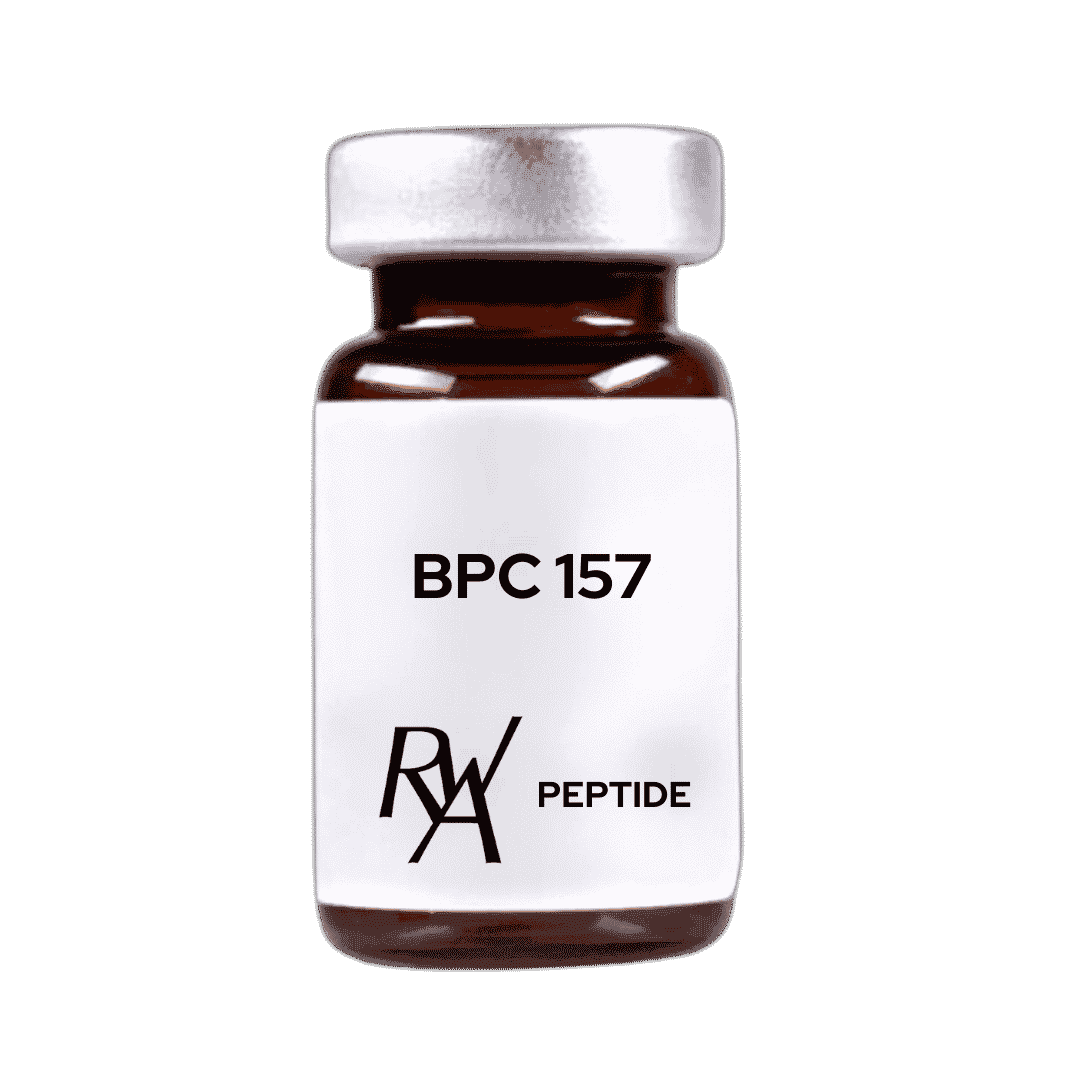
Where BPC-157 “falls short” for many buyers isn’t the peptide itself—it’s the broader lack of standardized, regulated guidance on stacking, purity consistency, and route-specific dosing. If you want a predictable experiment, you need predictable variables. Mixing too many inputs tends to break that.
What Research Suggests and What It Doesn't
Research discussions around BPC-157 often come with a big caveat: most publicly available data is not the same as large, high-quality human trials for specific indications and combinations. That means we can talk about plausible mechanisms and general peptide handling, but we can’t responsibly treat “plausible” as “proven interaction safety.”
For stacking decisions—especially answers to what should you not mix with BPC-157—the evidence is thin in humans. So the best practical approach is to avoid mixing into situations where interactions are more likely: blood clotting pathways, hormone-sensitive systems, and compounds known to affect drug-metabolizing enzymes.
The risks aren’t just theoretical. They include:
- Unknown interaction risk: even if a peptide seems “local,” systemic effects and individual variability matter.
- Purity and dosing variability: inconsistent sourcing can create differences in actual content versus label.
- Route differences: oral versus injection introduces different absorption profiles and tolerability patterns.
- Confounding: adding multiple compounds at once makes side effects and outcomes hard to interpret.
So the evidence-based stance is cautious: avoid obvious “interaction magnets,” keep your stack minimal, and monitor how you respond.
Ingredients, Formats, and Quality Signals
Product format affects both how people take it and what they may notice first (comfort, stomach tolerance, injection site reactions if applicable). The most common formats buyers look at include:
- Oral solutions: drops or liquid intended for swallowing or holding in the mouth.
- Sublingual/spray-style: quick contact time under the tongue or in the mouth.
- Injection-ready vials: dry powder + bacteriostatic water (or equivalent) for reconstitution.
When you’re evaluating quality, look for signals like:
- COA (certificate of analysis): batch-specific testing results, ideally from a third-party lab.
- Clear labeling: concentration, peptide identity, and storage instructions.
- Stability and handling guidance: realistic instructions on refrigeration/freezing and shelf life.
- Contaminant testing: common peptide-related concerns include microbial contamination and residual synthesis byproducts.
As a consumer, I also treat “price that’s too good to be true” as a red flag. Peptides involve costs: purification, testing, packaging, and shelf-stability. If two sellers differ drastically on price while claiming similar COAs and concentration, ask what’s actually being cut or substituted.
Comparison of Common Options
Below is a consumer-oriented comparison of commonly purchased formats. Typical doses vary by product concentration and personal tolerability, so treat these as ranges you’ll see in product listings rather than medical directions.
| Format | Typical Dose/Use | Pros | Cons | Cost | Best For |
|---|---|---|---|---|---|
| Oral solution (drops/liquid) | Often 1× daily in small measured amounts | Lower barrier to use, easier to stop | Variable taste/tolerance; harder to standardize absorption | ~$40–$150 per short cycle | People who want minimal setup |
| Sublingual/spray-style | Often 1× daily; brief mouth contact | Convenient; can feel “gentler” than injection for some | Still oral absorption variability; can cause mouth irritation | ~$50–$170 per short cycle | People concerned about injection discomfort |
| Injection-ready vial (reconstituted) | Often 1× daily injections or split dosing | Some users prefer consistent dosing mechanics | Injection setup, sterility concerns, local reactions | ~$70–$250 per short cycle | People comfortable with careful administration |
| “Pre-mixed” injection product | Often 1× daily standardized volumes | No reconstitution steps | Costly; still sterile handling and storage requirements | ~$90–$300 per short cycle | People prioritizing fewer handling steps |
| “Stack” bundle (multiple peptides) | Daily schedule varies across products | Marketing convenience; may feel tailored | Hardest to identify what caused effects; higher stacking complexity | ~$120–$500+ per cycle | Only if you can isolate variables carefully |
Buying Framework and Red Flags
If you’re trying to avoid mistakes, start with a framework. When you ask what should you not mix with BPC-157, the product side matters too—because a poorly sourced or unclear product can create risks regardless of how careful your stacking is.
Checklist:
- Does the seller provide a batch-specific COA (not just generic marketing screenshots)?
- Is concentration clearly stated (and does it match the stated serving or vial size)?
- Are storage instructions explicit (refrigeration/freezing, thaw guidance, expiration windows)?
- Is the route consistent with the label (oral use marketed as oral, injection marketed as injection-ready)?
- Does packaging include tamper evidence or at least clear labeling/lot numbers?
- Do they avoid exaggerated “guarantees” (any claim that sounds like a cure should make you pause)?
- Do you know your current meds and key supplements well enough to plan a minimal stack?
Red flag warning: If a listing heavily pushes bundles and “stacking schedules” without discussing the complexity of side effects or the need for variable isolation, treat it as a risk—not a convenience.
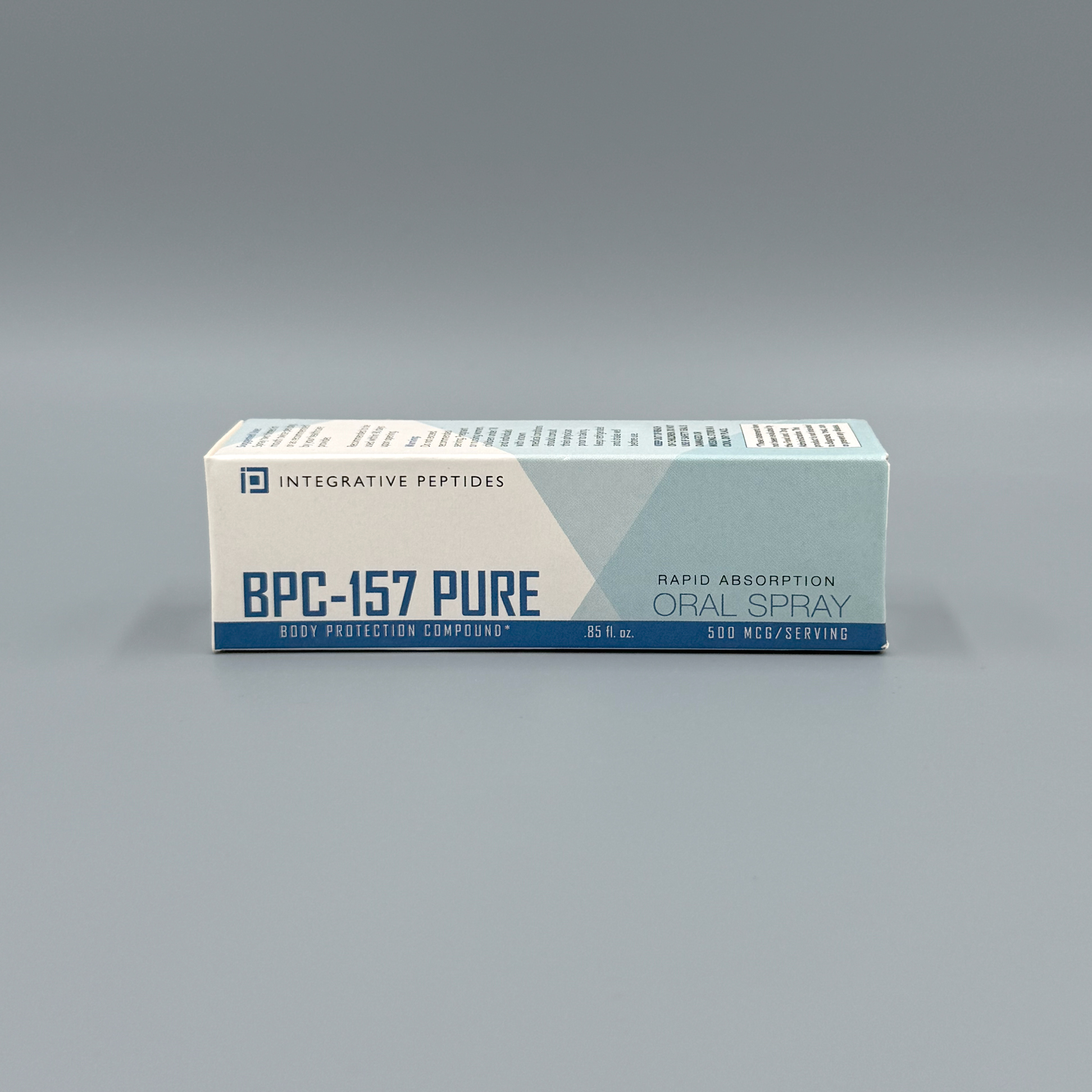
Common Mistakes and How to Avoid Them
The biggest mistake people make isn’t just “mixing.” It’s mixing and failing to run a clean experiment.
- Stacking multiple peptides at once: you can’t learn what helps or harms if everything starts together.
- Adding new supplements mid-trial: pre-workouts, magnesium dose changes, or a new “joint blend” can affect how you feel.
- Continuing heavy use of anti-inflammatories: if you’re using ibuprofen/NSAIDs more frequently, side effects and tolerance issues can blur the picture.
- Ignoring route differences: switching oral to injection (or vice versa) without changing expectations can lead to confusing outcomes.
- Going too fast: increasing frequency quickly instead of monitoring tolerability can make side effects more likely.
In practical consumer terms: if you want to answer what should you not mix with BPC-157 for your own routine, start by keeping everything else stable for 7–14 days. Change one variable at a time.
FAQ
Is it proven that you should not mix BPC-157 with certain supplements or medications?
There isn’t strong public evidence in humans that lists every specific “safe” or “unsafe” combination with the precision people want. Because of limited data and product variability, the cautious consumer approach is to avoid higher-likelihood interaction zones and to use a minimal, isolatable stack.
How long does it take to notice any effect after starting BPC-157?
Many buyers report noticing changes within days to a couple of weeks, but timelines vary widely. If you’re tracking only how you feel, changes can reflect training adjustments, placebo effects, sleep changes, or reduced irritation—not necessarily the peptide alone.
What side effects are most common when people use BPC-157?
Commonly mentioned issues include mild stomach discomfort, headaches, sleep disruption, or local irritation (for injection route). If symptoms are persistent, worsening, or severe, stop and seek medical advice.
Can you combine BPC-157 with other peptides, creatine, or anti-inflammatory products?
Combining increases complexity and makes it harder to identify cause-and-effect. If you do combine anything, do it one variable at a time and avoid stacking multiple active peptides simultaneously during your first trial.
What’s the difference between oral BPC-157 and injection/alternatives when deciding what not to mix with BPC-157?
Oral options may be easier to start and stop but can show variable tolerability due to absorption differences. Injection routes introduce sterility and local tissue considerations. For “alternatives,” the rule stays consistent: don’t stack multiple actives at once if your goal is understanding safety and tolerability.
A Practical 2-Week Experiment Framework
If you’re determined to try BPC-157, here’s a conservative framework aimed at answering the core question—what should you not mix with BPC-157—by minimizing confounders.
-
Day 1–2: Baseline
Keep your routine the same. Track (a) soreness/stiffness before and after training, (b) sleep quality, and (c) any GI discomfort. Don’t add new supplements. -
Day 3–7: Single-variable start
Start only BPC-157 from your chosen format. Avoid additional peptides. Keep anti-inflammatories at your normal “as-needed” pattern—don’t increase frequency to “force results.” -
Day 8–10: Check tolerability
If you notice headaches, stomach upset, or sleep disruption, reduce frequency or stop and reassess. This is your safety window, not a push-for-more window. -
Day 11–14: Optional minor adjustment
If tolerability is fine, you can keep the same dose and observe outcomes. Avoid introducing a second new compound here. -
End-of-week review
Write a short log: what changed, what didn’t, and what you suspect might have influenced results (training intensity, soreness from delayed onset, work stress, poor sleep).
Consumer takeaway: the goal of the 2-week experiment is not a transformation story—it’s information. If you can’t tell whether anything changed, that often means your stack (or your lifestyle) had too many moving parts.
About the Author
Jordan Pierce is a men’s wellness and sports-performance reviewer who focuses on evidence-aware product testing and realistic consumer education. For the past 6 years, he has reviewed supplements and recovery products by emphasizing dosing clarity, batch documentation (like COAs where available), and side-effect monitoring practices. His “consumer review” method includes tracking routine changes (training load, sleep, diet) and documenting failure cases—so readers don’t confuse correlation with causation.
Disclaimer: This article is for general informational purposes and reflects a consumer-style, caution-first approach. It is not medical advice, does not diagnose or treat conditions, and doesn’t provide interaction guarantees. If you’re taking prescription medications or have medical issues, talk with a qualified clinician before changing your supplement or peptide routine.
Discussion